
How to Price Your Home to Sell in Downey, CA
How to Price Your Home to Sell in Downey, CA
Orlando Garcia, REALTOR® | The GO Team Real Estate Services | HomeSmart Realty Group
Pricing is the single most important decision you make as a seller. Get it right and everything else works — buyers show up, offers come in, and you close strong. Get it wrong and you're fighting an uphill battle from day one. Homes that are overpriced sit. Homes that sit get stigmatized. And stigmatized homes sell for less than they would have if priced right in the first place.
This isn't a scare tactic. It's what the data shows, over and over. Understanding how price is set and what can go wrong is the best protection you have as a seller.
How Price Is Actually Determined
Your home's market value is set by one thing: what a ready, willing, and able buyer will pay for it right now. That number is informed by comparable sales — what buyers have actually paid for similar homes in your area recently. It's not your mortgage balance, your renovation investment, or your Zestimate. It's what the market is doing right now, with your home, in your condition.
A professional agent uses a Comparative Market Analysis to establish this. Here's what goes into it:
- Comparable sales (comps). Homes similar to yours — in square footage, bedroom and bathroom count, lot size, and condition — that have sold within roughly half a mile in the last 90 days. These are the most reliable data points available.
- Active competition. What else is on the market right now that a buyer could choose instead of your home. Your price needs to be competitive against these listings, not just the sold data.
- Days on market trends. How quickly are homes selling in your area? Are they getting multiple offers in the first weekend or sitting for 60 days? This tells you how sensitive the market is to price.
- Condition adjustments. Your home's condition versus the comps. A recently updated kitchen adds value relative to a home that was last renovated in 2002. Deferred maintenance subtracts from it.
What Comps Are and Why They Matter
A "comp" — short for comparable sale — is a recently sold home that closely resembles yours. To be a strong comp, it should be within about half a mile of your home, similar in square footage (within 15–20%), have the same number of bedrooms and bathrooms, and have sold in the last 90 days. Sales older than 90 days may not reflect current conditions accurately, especially in a market that's been moving.
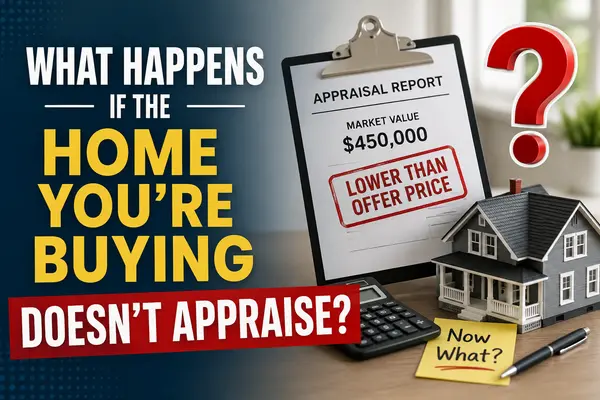
Comps are what appraisers use too — which is important. If you price your home higher than what comps support, a buyer's lender may not approve a loan for that amount. Even if a buyer agrees to your price, the appraisal could kill the deal or force a price renegotiation.
The Real Cost of Overpricing
The first two weeks your home is on the market are your peak window. Buyers who have been waiting for the right home get notified the moment it hits the MLS. They're motivated, they're watching, and they'll act fast on a home that's priced right. If you come in too high, that wave of motivated buyers passes you by — and they go to the home that's priced correctly.
After those first two weeks, your listing starts to look stale. Agents notice days on market. Buyers ask, "Why has this been sitting?" — and they assume there's something wrong with the house, even when the only issue is the price. When you eventually reduce to where you should have been, those same buyers who would have jumped at it week one aren't rushing back. They wonder if there's a problem. They make lower offers. You've given away negotiating leverage that you can never get back.
A price reduction doesn't just correct your price. It signals to the market that you were wrong the first time. That perception has a cost.
Downey Market Context
In Downey right now, the median sold price sits around $875,000. The average days on market is approximately 52 days — which includes homes that sat due to overpricing. The list-to-sale ratio is 99.6%, meaning correctly priced homes are closing very close to what sellers ask. That's a strong market, and it's real — but only for sellers who price with the data, not against it.
The gap between the sellers who maximize their price and those who don't isn't usually condition. It's pricing strategy. A home priced at market value with strong marketing will outperform an overpriced home in any market condition.
Strategic Pricing — How to Use Price to Your Advantage
Pricing at market value — or very slightly below it — can generate early buyer activity that leads to multiple offers. When two or more buyers compete, you often end up above your list price, with strong terms, and a fast close. This isn't accidental. It's a deliberate strategy that works when the price is set to attract, not deter.
This strategy depends on honest pricing. Pricing "slightly below" a Zestimate that was already inflated doesn't work. You have to start with a real CMA from a knowledgeable local agent and price from there.
What Not to Price Around
These things genuinely do not matter to the market and should not drive your price:
- What you paid for the home
- What you need to net to buy your next property
- What your neighbor said their home is worth
- What Zillow, Redfin, or any algorithm says
- What you've invested in renovations (upgrades add value — but rarely dollar-for-dollar)
The market doesn't care about any of these things. Buyers make offers based on what other homes have sold for, not what you need.
Pricing in Different Market Conditions
In a strong seller's market, you can price at or slightly above comps and still attract buyers. In a buyer's market, you need to price below your competition to stand out. In a neutral market, pricing at market value is the safest bet. Your agent will assess current conditions — not from gut feeling but from the actual data — and recommend accordingly.
Thinking About Selling?
Let's talk about what your home is worth and what the process looks like right now.
(562) 413-7349 | jgarcia.orlando@gmail.com | soldbythegoteam.com
Categories
Recent Posts