
What Credit Score Do I Need to Buy a Home?
What Credit Score Do I Need to Buy a Home?
Your Questions Answered | The GO Team Real Estate
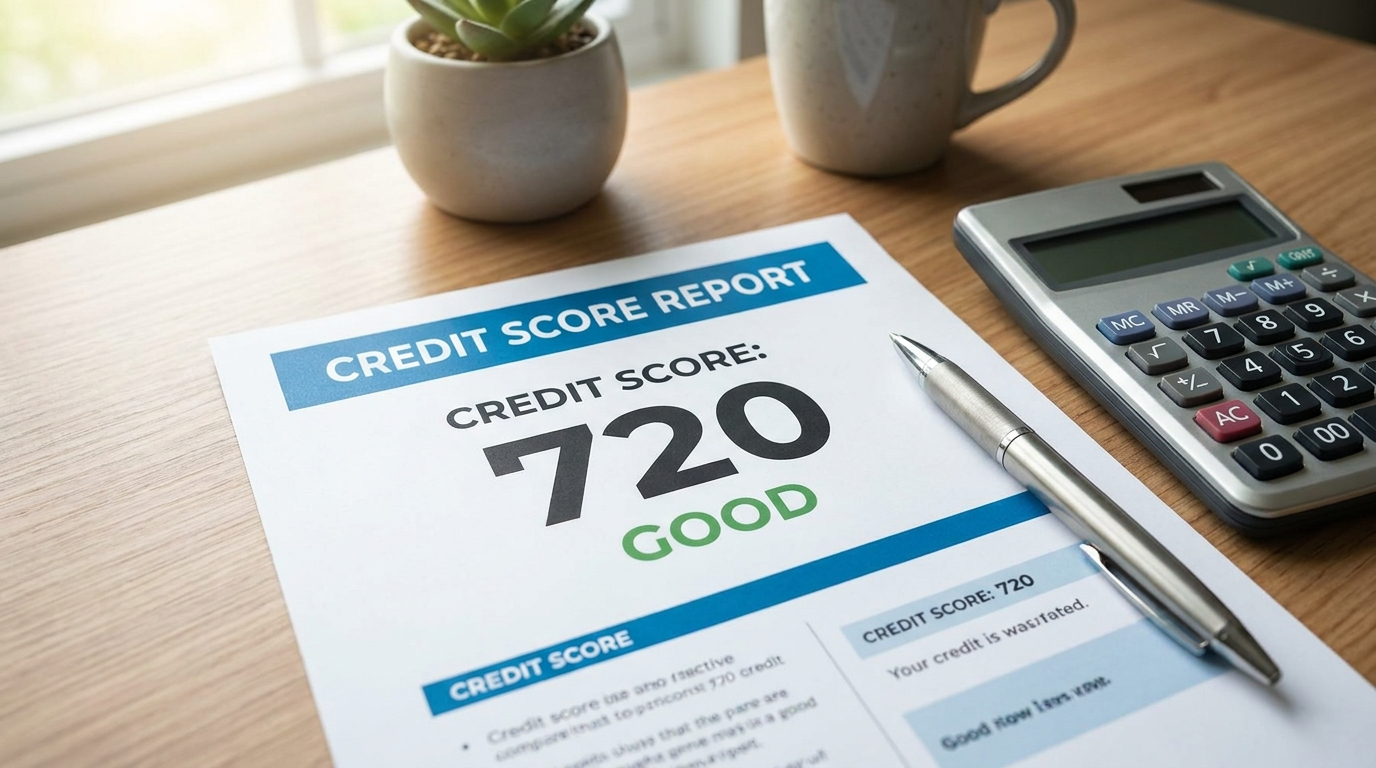
The minimum credit score to buy a home depends on the loan type. For FHA loans, you need at least 500. For most conventional loans, you're looking at 620 and up. But the score that gets you approved and the score that gets you a good rate are two different things. Let me break down what different scores actually mean for your home purchase.
FHA vs. Conventional: The Credit Score Breakdown
With an FHA loan, the official minimums are 500-579 for 10% down and 580 or higher for 3.5% down. In practice, many FHA lenders set their own "overlay" requirements a bit higher — some won't go below 580, others won't go below 620. Shopping lenders matters here. With a conventional loan, 620 is typically the floor. But the rate you get at 620 is going to be noticeably higher than what someone with a 740+ score gets. Conventional loans price risk into the rate. The higher your score, the lower your interest rate and monthly payment. VA loans, if you're eligible, don't have a hard minimum set by the VA itself, but lenders typically want to see at least 580-620.

What Your Score Actually Affects
Your credit score doesn't just determine whether you get approved. It affects your interest rate, which affects your monthly payment, which affects how much house you can afford. A half-point difference in your interest rate on a $500,000 loan can change your monthly payment by $150-$200 or more. Over 30 years, that's real money. In California, where home prices push loan amounts higher, this math hits harder than in cheaper markets. Even a small improvement in your score before you apply can make a meaningful difference.
Where Most People Actually Land
Most first-time buyers are somewhere in the 600-700 range. That's very workable, especially with FHA. If you're under 620, it's not over — but it probably means a few months of focused credit work before you apply. The most common credit issues: High credit card utilization (over 30% of your limit) drags your score down fast, and paying balances down can raise it quickly. Collections accounts, especially medical ones, can sometimes be negotiated. Late payments hurt, but their impact fades over time. If your score isn't where you need it, a good lender will pull your report and tell you exactly what's hurting it. Some can even run a "rapid rescore" after you make changes — sometimes updating your score in a matter of days instead of months.
What to Do If Your Score Is Below the Minimum
Don't wait and hope. Be strategic. Get a free credit report from annualcreditreport.com and look for errors. Then focus on utilization: pay down credit cards, don't close old accounts, don't open new accounts right before applying. If you've had a bankruptcy, short sale, or foreclosure, FHA has specific waiting periods — typically 2 years after a bankruptcy discharge and 3 years after a foreclosure. The goal isn't a perfect score. It's getting to the threshold that opens up the best loan program for your situation.
Questions About Your Specific Situation?
Every buyer's situation is different. Reach out to The GO Team Real Estate Services and let's figure out exactly where you stand and what's possible for you.
THE GO TEAM / REAL ESTATE SERVICES
Powered By HomeSmart Realty Group
(562)413-7349
Jgarcia.orlando@gmail.com
www.soldbythegoteam.com
Categories
Recent Posts