
What to Expect During Escrow in California
What to Expect During Escrow in California
Orlando Garcia, REALTOR® | The GO Team Real Estate Services | HomeSmart Realty Group
Your offer was accepted. Now what? You're in escrow — the period between an accepted contract and the official closing of the sale. In California, this typically runs 30 to 45 days, and a lot happens during that window. This guide breaks it down so you're not left guessing what's happening or when.
Escrow can feel like a black box to first-time buyers. You sign the contract, and then... you wait. But things are very much happening behind the scenes. The more you understand the timeline, the better you'll be at responding quickly when needed — and delays in escrow are often caused by slow responses from buyers.
What Escrow Actually Is
Escrow is a neutral third party — an escrow officer or company — that holds all funds and documents related to the transaction until every condition of the sale has been met. They don't represent the buyer or the seller. Their job is to make sure money and title only exchange hands when everything checks out.
In California, escrow and title are often handled by the same company. The title company ensures the property can be legally transferred — free of undisclosed liens, ownership disputes, or other clouds on title.
Week-by-Week Timeline
The escrow company receives the signed purchase agreement and opens the escrow file. You'll wire your earnest money deposit within the first few days — check your contract for the exact deadline. Your agent will schedule your home inspection immediately, typically within 5–7 days of opening escrow. Order your pest inspection at the same time if applicable.
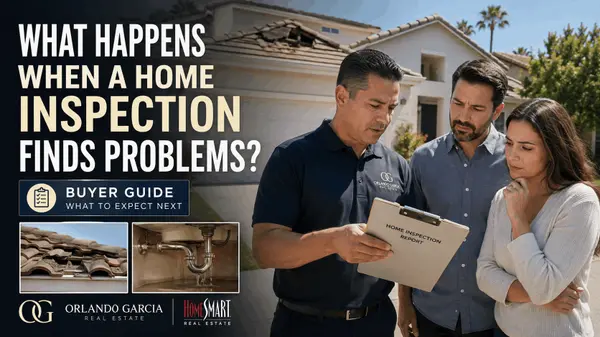
Your general inspector will walk every accessible area of the home and produce a written report — typically 30–80 pages with photos. Review it carefully with your agent. If significant issues are found, you can request repairs, ask for a price reduction or credit, or in some cases walk away. This negotiation window is your opportunity — use it. Not every imperfection warrants a request, but material defects and safety issues absolutely do.
Your lender orders the appraisal shortly after opening escrow. The appraiser schedules a visit, inspects the property, and compares it to recent comparable sales. The appraisal report typically comes back within 7–10 days after the appraiser's visit. If the home appraises at or above the purchase price, you move forward. If it comes in low, you and your agent will discuss options.
This is often the most stressful stretch for buyers. Your lender's underwriter reviews your complete file — all income documents, the appraisal, title report, and property information. They may issue "conditions" — additional documents or explanations they need before they can issue final approval. Respond to every lender request as fast as possible. Delays here push back your closing date.
A day or two before closing, you'll do a final walkthrough of the property. This is your chance to confirm the home is in the same condition as when you made your offer and that any agreed repairs have been completed. Then comes your signing appointment — you'll sit with a notary and sign your loan documents. Bring your ID. Set aside one to two hours.
After signing, the lender sends funds to escrow. Once received, escrow sends the deed to the Los Angeles County Recorder's Office. When the county records it, you legally own the home. Your agent will notify you when recording is confirmed and coordinate key delivery. In California, possession is typically granted on the day of recording.
Who Is Involved in Your Escrow
Several parties are working simultaneously during escrow — coordination matters. Your escrow officer manages the money and documents. Your lender is processing and underwriting your loan. Your agent is your point of contact for negotiations, timelines, and any issues that arise. The title company is running a title search to confirm clean ownership. The seller's agent is on their side of all of this. Your job is to respond quickly, keep your finances stable, and communicate with your agent regularly.
Contingency Removal
In California, contingencies don't automatically expire on a set date — they need to be formally removed in writing. When you're satisfied with your inspection results, you sign a Contingency Removal form for the inspection contingency. Same for the appraisal and loan contingencies once those are resolved. This matters: removing contingencies is when your earnest money becomes more firmly committed to the deal. Your agent will guide you on timing.
What Happens If the Appraisal Comes In Low
If the appraised value is lower than your purchase price, you have a few options. You can ask the seller to reduce the price to the appraised value. You can cover the difference between appraised value and purchase price out of pocket (called an "appraisal gap"). You can request a second appraisal if you believe the first had errors. Or, if you have an appraisal contingency in place, you can cancel and recover your earnest money. Each situation is different — your agent will help you navigate it.
Clear to Close
"Clear to close" means the underwriter has reviewed everything, all conditions have been satisfied, and the lender is ready to fund your loan. You typically hear this a day or two before your signing appointment. It's the green light you've been waiting for.
Signing vs. Closing vs. Recording — They're Not the Same Day
Many buyers assume they get their keys when they sign their loan documents. That's not how it works in California. You sign, then the lender funds (usually the next business day), then the county records the deed. Only after recording do you officially own the home and receive your keys. Your agent will keep you posted on each step so you're not left wondering.
Ready to Start the Process?
I'll walk you through every step — no pressure, no surprises.
(562) 413-7349 | jgarcia.orlando@gmail.com | soldbythegoteam.com
Categories
Recent Posts